How to Invest in Stocks for Beginners: A Step-by-Step Guide
Investing in stocks is one of the most effective ways to build long-term wealth, yet many beginners hesitate because it feels complicated or risky. The truth is that with the right approach, stock market investing is accessible to anyone—even if you're starting with a small amount of money. This guide will walk you through the essential steps: establishing an emergency fund, choosing a brokerage, understanding your investment options, and building a low-cost portfolio. You'll also learn about the most common beginner mistakes and how to avoid them. By the end, you'll have a clear, actionable plan to make your first investments with confidence.
Before You Begin: Set Goals and Build an Emergency Fund

Before you buy your first stock, set clear financial goals. Ask yourself: What am I investing for? A retirement 30 years away can tolerate more risk than a house down payment in three years. Your time horizon will determine your asset allocation—the mix of stocks and bonds you own. A longer time horizon lets you take on more volatility because you have room to recover from market dips.
Second, build an emergency fund. Stocks will fluctuate—sometimes dramatically. If you need cash immediately, you might be forced to sell at a loss. Most experts recommend keeping three to six months' worth of living expenses in a high-yield savings account or money market fund. This buffer ensures you won't have to touch your investments during a downturn. It also gives you psychological peace of mind, making you a calmer and more disciplined investor.
Finally, pay down high-interest debt, like credit cards, before you invest. Interest rates on credit cards often exceed 20%, which is more than you can realistically expect from the stock market. Paying off that debt is a guaranteed return on your money.
Choose a Brokerage Account That Fits Your Needs
Brokerage accounts are not all the same. If you're investing for retirement, you'll likely want a tax-advantaged account such as an individual retirement account (IRA). A Roth IRA lets your money grow tax-free and allows you to withdraw your contributions anytime without penalty, making it a favorite among beginners. If you have a 401(k) at work, start there first to capture any employer match—that's free money. A good rule of thumb is to contribute up to the match limit, then open a Roth IRA if you're eligible, and then return to increase your 401(k) contributions.
If you're investing for a goal shorter than retirement, like a house down payment in five years, consider a standard taxable brokerage account. It gives you more flexibility to withdraw without the penalties associated with IRAs.
Once you pick an account type, compare costs. Most online brokers now offer $0 commissions on stock and ETF trades, but check for management fees, transfer fees, and account minimums. Look for brokers that support fractional shares, so you can buy a slice of a high-priced index fund or company like Amazon with as little as $5. Also consider the platform's ease of use: a clean mobile app, educational resources, and reliable customer support can help you learn as you go.
Understand Your Options: Stocks, Index Funds, and ETFs
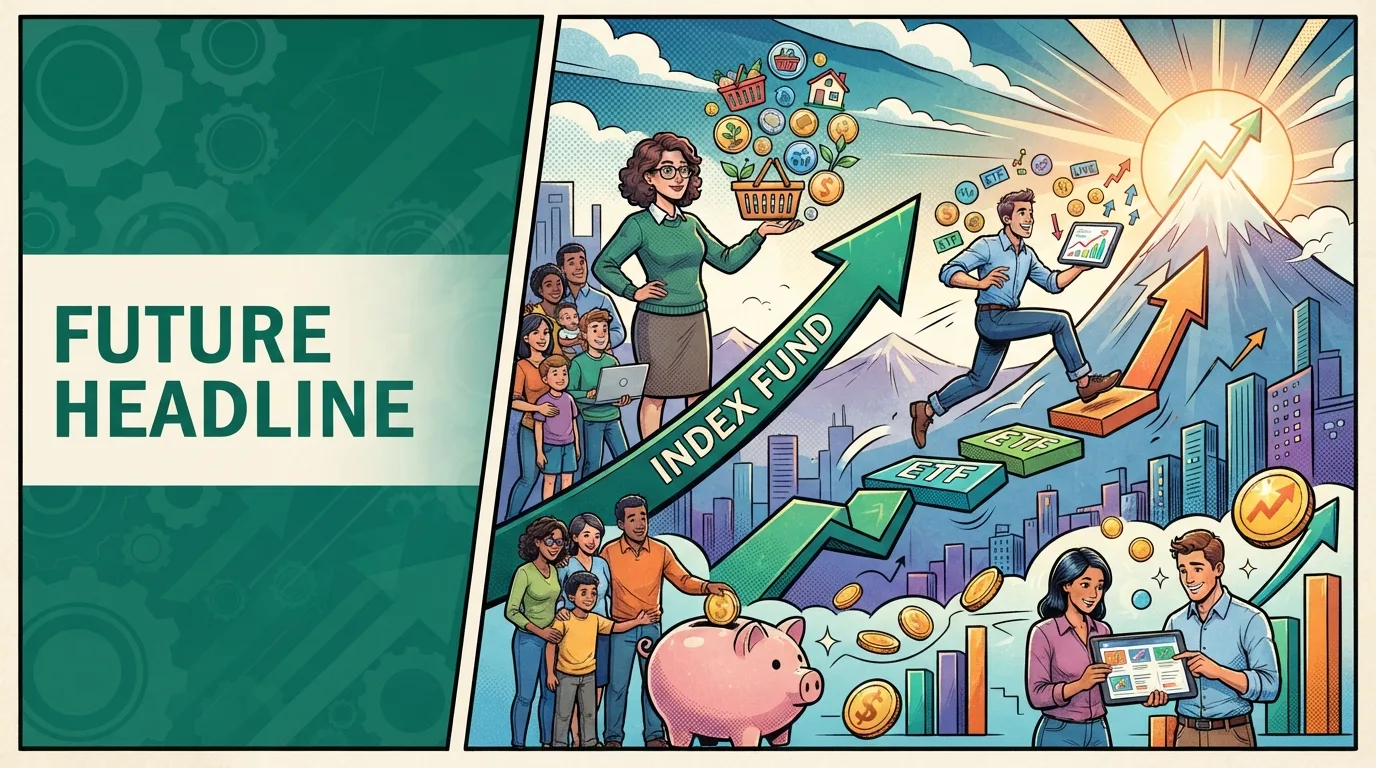
Once you have an account, the big decision is what to buy. You can purchase individual stocks—shares of a specific company—or stock funds. Index funds are a type of mutual fund that holds a portfolio tracking a market index, like the S&P 500 or the total U.S. stock market. Exchange-traded funds (ETFs) are similar but trade like stocks throughout the day, and they often have even lower expense ratios.
Why do many experts recommend funds? Diversification. Buying a single stock exposes you to company-specific risk—a bad earnings report, a scandal, or bankruptcy. A fund that holds hundreds or thousands of stocks spreads that risk across the entire economy. According to the 2023 S&P Indices Versus Active (SPIVA) scorecard, over the 15 years ending in 2023, nearly 93% of large-cap actively managed funds underperformed the S&P 500. Low-cost index funds and ETFs also have tiny expense ratios—often under 0.05%—which leaves more money working for you over time.
You don't have to choose between funds and individual stocks. Many beginners start with index funds and later add a few individual stocks they believe in, using a small 'play money' allocation of 5–10% of their portfolio. If you do pick individual stocks, be prepared to research companies thoroughly and accept that you'll likely experience higher volatility than the broader market.
Build Your First Portfolio: A Simple, Low-Cost Strategy
Now comes the fun part: putting your money to work. The simplest and most effective strategy for most beginners is to buy low-cost index funds and hold them for the long term. Here's a step-by-step approach:
- Determine your asset allocation. A common guideline is to use 110 minus your age as the percentage in stocks, with the rest in bonds. For example, a 30-year-old would hold 80% stocks and 20% bonds. Younger investors often choose 100% stocks because they have decades to ride out volatility.
- Select core funds. Pick a total U.S. stock market fund or an S&P 500 index ETF. Add a total international stock index fund for global diversification. A simple two-fund portfolio (U.S. and international) can be sufficient for most people.
- Add bonds if you're conservative. If you're over 40 or can't tolerate a 50% drop in your portfolio, include a bond index fund like the U.S. aggregate bond index. Bonds provide stability and income during market downturns.
- Automate your investments. Set up recurring transfers from your bank account to your brokerage. This is dollar-cost averaging—by investing the same amount each month, you buy more shares when prices are low and fewer when they're high, which lowers your average cost per share over time.
For maximum simplicity, consider a target-date retirement fund, which automatically rebalances from stocks to bonds as you approach retirement. All you do is pick the fund with the year nearest your planned retirement date. Target-date funds are excellent for 401(k)s and IRAs, and they offer instant diversification with a single purchase.
Avoid These Common Beginner Mistakes
Even well-intentioned investors often stumble. Keep these pitfalls in mind:
- Investing money you'll need within five years. The stock market can be down when you need that cash. Only invest money with a time horizon of at least seven years, and keep near-term savings in cash or short-term bonds.
- Trying to beat the market by stock picking. Professional money managers consistently lag the index, as the SPIVA data shows. For most investors, a low-cost index fund will deliver better results with less effort.
- Checking your portfolio too often. Daily price swings cause fear and can trigger irrational decisions. Review your portfolio monthly or quarterly, not daily. If you're investing regularly, set it on autopilot and focus on your life.
- Ignoring fees and taxes. Even small fee differences compound over decades. In taxable accounts, choose funds with low turnover to minimize capital gains distributions, and hold tax-efficient investments like index ETFs.
- Timing the market. No one can consistently predict the market's next move. Selling during a downturn locks in losses and misses the recovery. Staying invested nearly always beats waiting for the 'perfect' entry point.
Bottom Line
Investing in stocks for beginners doesn't have to be daunting. Start by securing your finances: build an emergency fund, pay down high-interest debt, and define your goals. Then open the right brokerage account—fund your 401(k) to the match limit and consider a Roth IRA. Build a diversified portfolio using low-cost index funds or a target-date fund, automate your contributions, and stay the course. With time and compound growth, you'll be well on your way to building lasting wealth.
Frequently Asked Questions
How much money do I need to start investing in stocks?
Many brokers now allow fractional shares, so you can start with as little as $5–$10. A good initial goal is to invest at least $50 per month, and then gradually increase as you get comfortable.
Should beginners buy individual stocks or index funds?
For most beginners, index funds or ETFs are the better choice because they provide instant diversification and have lower risk. Once you have a solid foundation, you can allocate a small portion (5–10%) to individual stocks if you'd like.
How often should I check my stock portfolio?
You should review your portfolio monthly or quarterly to rebalance if needed, but avoid checking daily or weekly. Short-term price fluctuations will tempt you to make emotional decisions that harm long-term returns.
References